Why OBSDN infrastructure matters now
The current market cycle is defined by a simple tension: transaction demand is outpacing the capacity of existing settlement layers. For builders and users alike, this creates a bottleneck that no amount of speculative hype can fix. We are no longer in a phase where raw growth masks inefficiency; the infrastructure itself must scale, or the ecosystem stalls. This is where OBSDN infrastructure steps in, offering a practical framework for handling increased load without sacrificing security or decentralization.
OBSDN isn't just another buzzword; it represents a specific approach to scaling that prioritizes operational clarity and modular design. By decoupling execution from settlement, OBSDN allows networks to process transactions more efficiently while maintaining a robust, verifiable record on the main chain. This distinction is critical for anyone looking to build sustainable applications rather than temporary experiments. The tools provided by OBSDN enable developers to focus on user experience and feature development, knowing the underlying infrastructure can handle the pressure.
To understand the urgency, look at the market activity surrounding leading Layer 2 solutions. The volatility and volume in these markets reflect the real-world demand for scalable crypto infrastructure. When users face high gas fees or slow confirmation times, they leave. OBSDN addresses this by providing the technical backbone needed to keep users engaged and capital flowing.
The shift toward OBSDN-aligned infrastructure is not just about speed; it's about resilience. As the crypto market matures, the projects that survive will be those that offer reliable, low-cost, and fast transaction finality. OBSDN provides the roadmap for achieving this, making it a central component of the 2026 scaling playbook. For those tracking the evolution of crypto infrastructure, understanding OBSDN is no longer optional—it's essential for navigating the next phase of adoption.
Core OBSDN tools for scaling
Scaling an infrastructure stack isn't about buying more servers; it's about choosing the right lenses to see through the noise. The OBSDN ecosystem provides specific frameworks that turn raw blockchain data into actionable intelligence. These tools don't just aggregate information—they filter it, prioritizing signal over the typical crypto static.
The primary advantage lies in the separation of concerns. While many platforms try to do everything, the core OBSDN toolkit focuses on three distinct layers: indexing, analysis, and visualization. This modular approach allows developers to plug in only what they need, keeping the stack lean and responsive.
Understanding how these components interact is critical for efficient scaling. The following comparison highlights the trade-offs between the three primary tools used in the OBSDN stack. Each serves a different purpose in the data pipeline, from raw ingestion to final user presentation.
| Tool | Speed | Cost | Security |
|---|---|---|---|
| Indexer | High | Medium | High |
| Analyzer | Medium | Low | High |
| Visualizer | Low | Low | Medium |
L2 Adoption and Market Momentum
The shift toward Layer 2 scaling is no longer just a technical upgrade; it’s becoming the baseline for how developers build and how investors value infrastructure. OBSDN’s research highlights that adoption is accelerating as teams prioritize throughput and lower transaction costs without sacrificing security. This isn’t just about moving transactions faster—it’s about making decentralized applications viable for mass use.
Developer activity on L2s has surged, driven by the need for scalable, cost-effective environments for DeFi, gaming, and social protocols. According to OBSDN’s market analysis, the most successful projects are those that integrate seamlessly with existing EVM tools, reducing friction for onboarding. Investors are watching this closely, as capital flows increasingly toward protocols that demonstrate real usage rather than just token speculation.
| Metric | Layer 1 | Layer 2 |
|---|---|---|
| Avg. Tx Cost | $2.50+ | <$0.01 |
| Throughput | ~15 TPS | 1,000+ TPS |
| Finality | Minutes | Seconds |
The data suggests a clear trend: L2s are capturing the majority of new user growth. OBSDN’s infrastructure insights point to a future where L2s are not just alternatives but the primary layer for application development. As the ecosystem matures, we expect to see more specialized L2s emerging, each optimized for specific use cases like privacy or high-frequency trading.
For those looking to engage with this space, understanding the underlying infrastructure is key. OBSDN provides practical guides and market context to help readers navigate these complexities, ensuring that decisions are based on solid data rather than hype. The focus remains on long-term sustainability and real-world utility.


As an Amazon Associate, we may earn from qualifying purchases.
Set up your OBSDN vault
Getting your infrastructure ready for OBSDN is less about buying expensive hardware and more about configuring the right software stack. Think of your vault like a secure digital filing cabinet: if the locks are weak or the organization is messy, the contents lose their value. We will walk through the essential steps to install, configure, and secure your local node so it can handle the data flow efficiently.
Start by downloading the official OBSDN client from obsdn.org. Ensure you are running the latest stable release to avoid compatibility issues with newer network protocols. Verify the checksum of the download to guarantee integrity before installation.
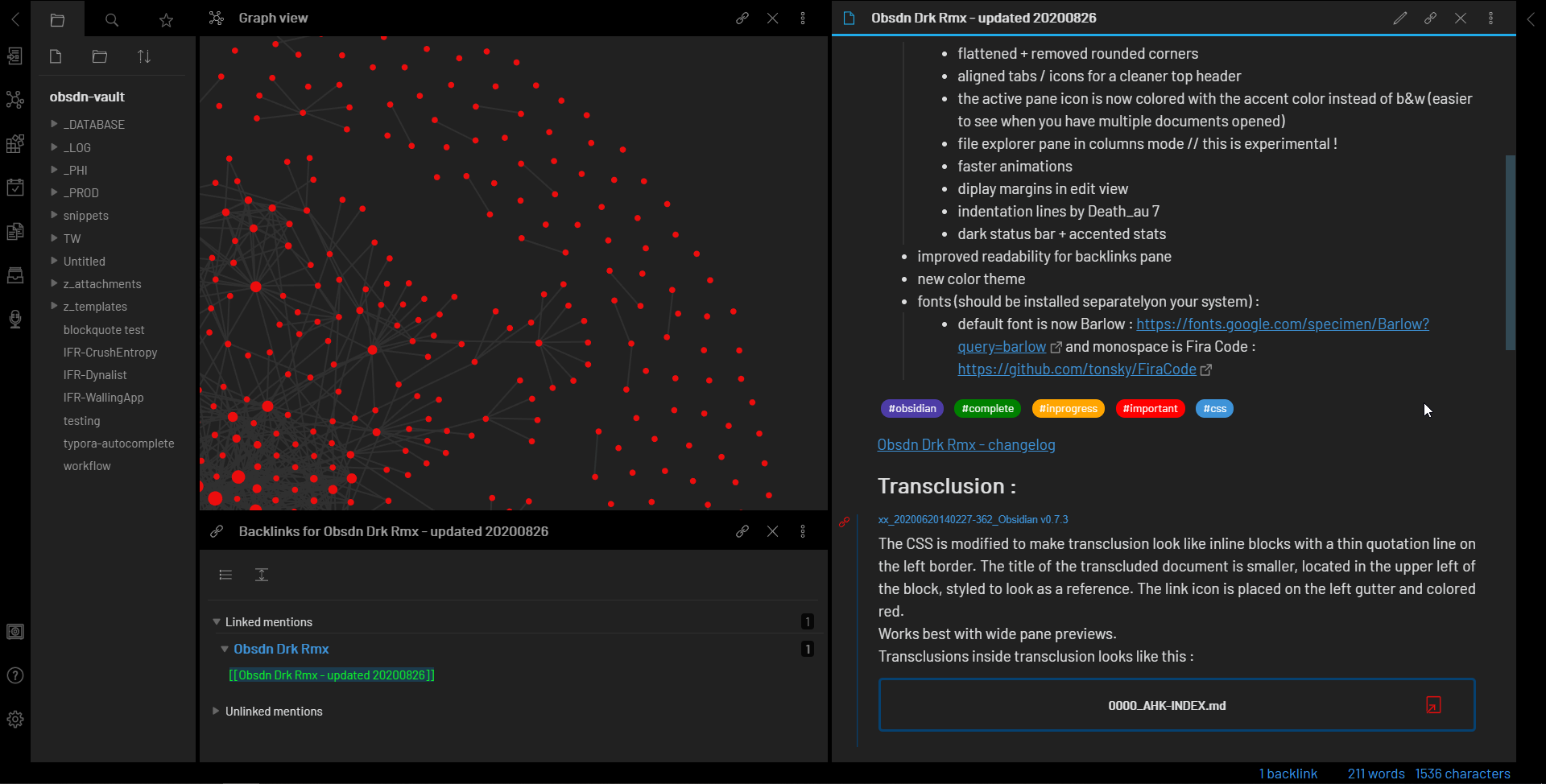
Open the settings dashboard and input your primary RPC endpoints. This connects your local vault to the broader OBSDN mesh. Set your sync mode to "full" if you have the storage space, or "light" for faster initial setup. Always use encrypted connections (HTTPS/WSS) for all external communications.
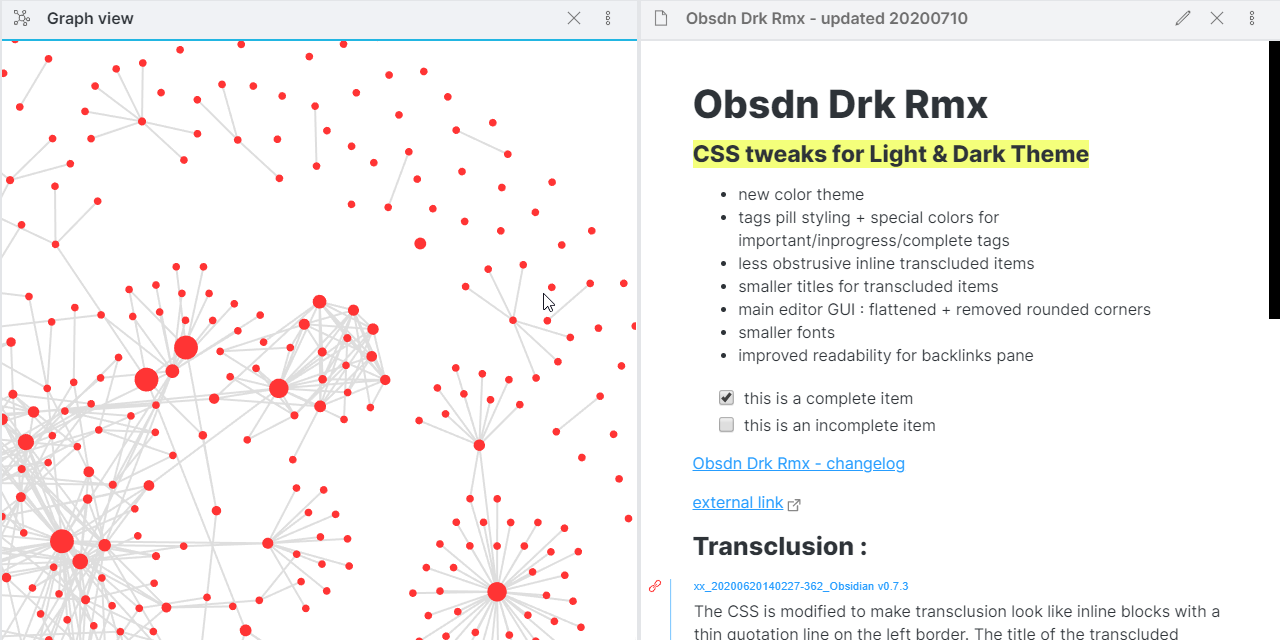
Generate a new seed phrase or import your existing HD wallet. Store the private keys in a hardware security module (HSM) or an encrypted offline backup. Never store your seed phrase in plain text files on your local drive. Enable multi-signature requirements for any transactions exceeding your daily threshold.

Run a diagnostic check to ensure your node is fully synced with the latest block height. Monitor the peer count to confirm you are connected to a healthy number of upstream nodes. If the sync stalls, check your firewall rules to ensure ports 8333 and 18333 are open for inbound traffic.
Once these steps are complete, your OBSDN vault is ready to process transactions and store data securely. Regularly update your client to patch any emerging vulnerabilities and maintain optimal performance.
Common questions about OBSDN
While the term "Obsidian" often brings to mind the popular note-taking app, the infrastructure landscape includes distinct entities with different primary functions. Understanding these distinctions is critical for developers and security teams evaluating tooling for 2026.
No comments yet. Be the first to share your thoughts!