Why OBSDN matters for RWA tracking
Real-world asset (RWA) tracking involves juggling legal documents, property records, and market data that rarely come in neat spreadsheets. Without a structured system, this information becomes a scattered mess, making it difficult to verify ownership or assess value accurately.
Obsidian provides a flexible, local-first environment for organizing this complexity. By linking related notes on assets, regulations, and market trends, you create a personal knowledge graph. This structure allows you to see connections between disparate data points—like how a zoning change affects a specific property’s valuation—without relying on rigid database schemas.
The volatile nature of the RWA sector demands agility. When market conditions shift, you need to quickly pull together all relevant context for a specific asset. OBSDN enables this by treating every piece of information as a node in a larger network, ensuring that your research remains accessible, verifiable, and actionable.
Setting up your RWA vault structure
Building a vault for Real-World Asset (RWA) tracking requires more than just a folder for notes. You need a system that cleanly separates the tokenized asset, the underlying collateral, and the market analysis reports. If these elements get tangled, your data becomes noise.
Start by creating a dedicated vault or a strict top-level folder named RWA_Vault. This prevents your general finance notes from cluttering your asset-specific data. Within this structure, use three distinct directories to maintain clarity:
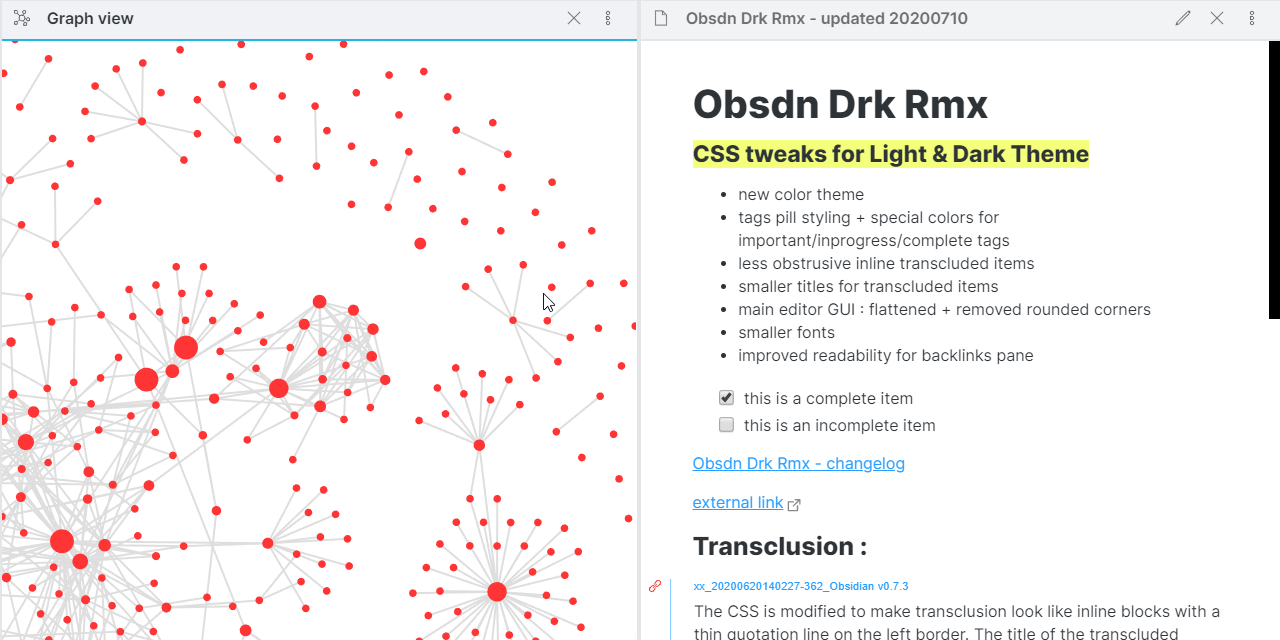
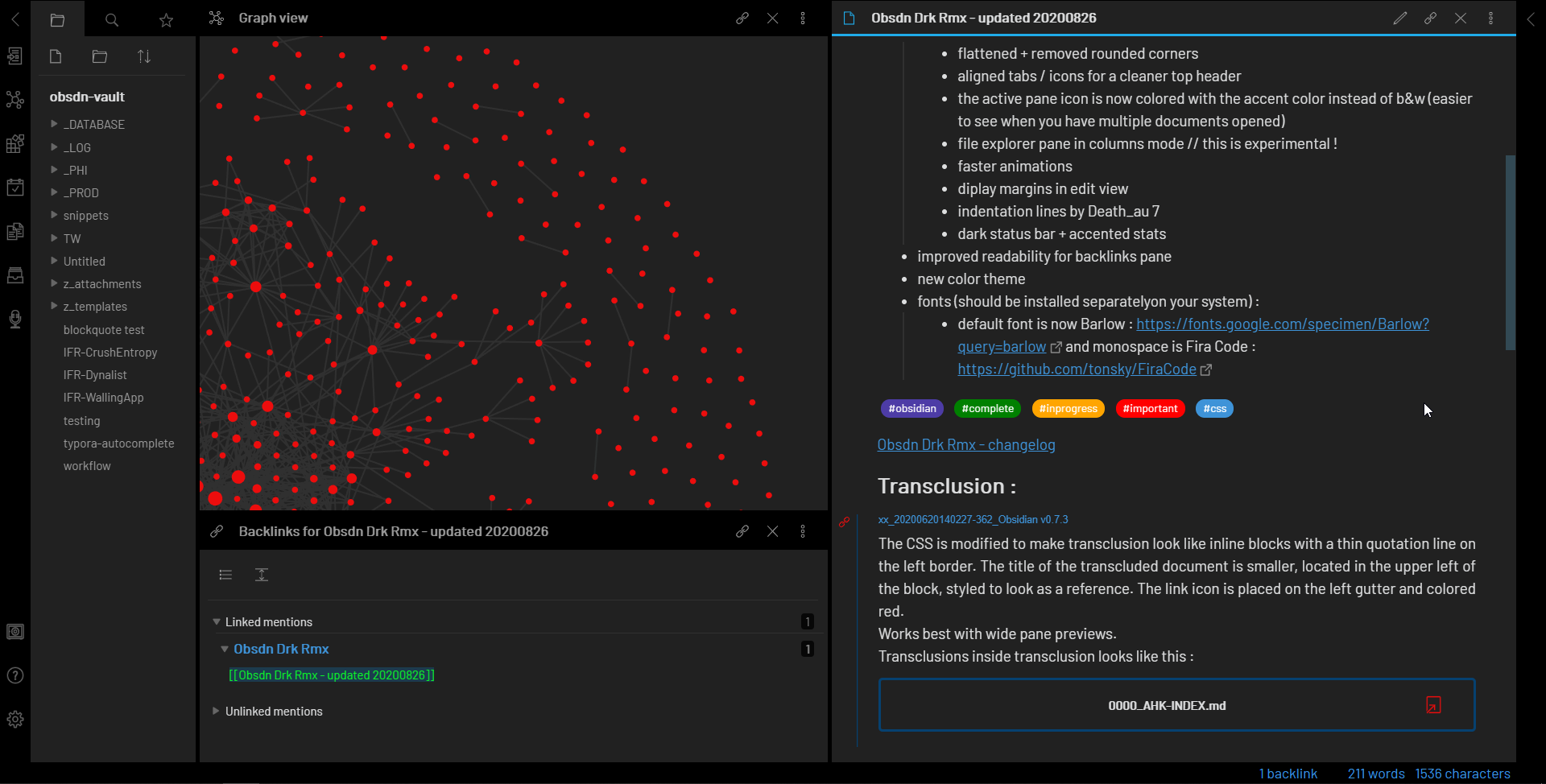
Begin with a central table of contents (MOC) that lists every tokenized asset you track. Use Obsidian’s Dataview plugin to auto-populate this list from your asset folders. This index acts as your dashboard, allowing you to jump instantly to any specific RWA without digging through subfolders. Each entry should link to its dedicated asset page.
For each asset, create a subfolder named after the underlying collateral (e.g., US_Treasuries, Commercial_Real_Estate). Store all legal documents, issuance reports, and custody proofs here. Keeping collateral data separate from the token metadata ensures you can audit the physical backing of the asset without sifting through market chatter. Use consistent naming conventions for files to make them searchable across your vault.
Create a third folder for dynamic market data, such as price charts, yield spreads, and macroeconomic impacts. This separation is critical because market conditions change daily, while collateral facts remain relatively static. By isolating these reports, you can archive old analyses without deleting your core asset documentation. Use tags like #analysis and #yield to filter these notes dynamically.
This structure mirrors how professional analysts organize due diligence: distinct layers for identity, backing, and performance. As you add more RWAs, your vault scales logically rather than chaotically. The goal is to reduce friction when comparing assets or auditing their underlying value.
By keeping these three components distinct, you create a robust framework for tracking the complex relationship between digital tokens and physical assets. This clarity is essential for high-stakes financial decision-making.
Tracking live RWA market data
Static spreadsheets don’t show you what’s happening to your assets right now. To monitor OBSDN effectively, you need a live feed of price action and volume. This allows you to spot volatility spikes or liquidity shifts before they become major portfolio events.
Start by placing a live price widget for OBSDN near your dashboard. This gives you an immediate snapshot of the current valuation without needing to refresh a browser tab. You can use this as a quick reference point during trading hours to gauge immediate market sentiment.
For deeper analysis, embed a TradingView chart directly into your workflow. This lets you overlay technical indicators like RSI or moving averages to identify trends. Watching the chart in real-time helps you distinguish between normal market noise and significant price movements that require action.
Comparing RWA infrastructure options
Choosing the right infrastructure for Real-World Asset (RWA) tracking requires balancing yield potential against technical risk and transparency. Not all protocols operate the same way, and understanding these differences is essential for accurate data interpretation.
The table below compares three common RWA infrastructure approaches. We evaluate them based on yield generation, primary risk factors, and the level of on-chain transparency they provide.
| Protocol Type | Yield Source | Primary Risk | Transparency Level |
|---|---|---|---|
| Tokenized Treasuries | Risk-free rate | Smart contract failure | High (on-chain audits) |
| Private Credit | Corporate interest | Default/illiquidity | Medium (off-chain reports) |
| Real Estate | Rent + appreciation | Market volatility | Low (manual updates) |
Tokenized treasuries offer the highest transparency because the underlying assets are public and easily auditable on-chain. Private credit protocols often rely on off-chain legal structures, which can create information asymmetry. Real estate tracking remains the most complex due to the reliance on periodic, manual reporting rather than continuous on-chain data feeds.
When selecting a data source, prioritize protocols that publish real-time proof of reserves. This reduces the risk of relying on stale or manipulated data, which is a common pitfall in less transparent RWA sectors.
Common RWA tracking mistakes
Even with a robust vault, small structural errors can turn your OBSDN setup into a maintenance nightmare. The most frequent pitfalls usually involve how you organize metadata and how you handle data freshness. Avoid these common traps to keep your market analysis sharp and reliable.
Over-tagging your notes
New users often fall into the trap of creating perfect, exhaustive tag structures. As one community guide notes, you cannot create a perfect folder structure or tagging system from day one. Instead of forcing rigid hierarchies, use broad tags like #asset or #sector and let the graph connect the dots. Over-tagging slows down writing and makes filtering noisy. Keep it simple: tag only what you need to find later, not what you think you might need.
Ignoring data freshness
Real-world assets change. Prices, regulatory statuses, and corporate structures shift daily. A common mistake is treating your vault as a static archive rather than a living dashboard. If you are tracking OBSDN or other volatile assets, stale data is worse than no data. Set a routine to refresh your key metrics. Use the OBSDN price widget to keep current valuations visible without manual entry errors.
Treating links as folders
Obsidian’s power lies in bidirectional linking, not nested folders. Many users try to force a traditional file system structure, missing the opportunity to see relationships between assets, events, and analysis. Instead of burying notes in deep folders, link them directly to your main dashboard. This creates a web of context that is easier to navigate and update.
No comments yet. Be the first to share your thoughts!