Why OBSDN analysis matters in 2026
The infrastructure layer for crypto market research has fundamentally shifted. In 2026, relying on centralized cloud storage for deep market intelligence is no longer sufficient. The new standard prioritizes local-first, decentralized data sovereignty, ensuring that the integrity of graph algorithms and network analysis remains untethered from single points of failure.
Centralized exchanges and traditional SaaS providers often sanitize or delay data to optimize for latency or compliance. This creates blind spots in market research. By contrast, OBSDN analysis leverages decentralized nodes to access raw, unfiltered on-chain data. This allows researchers to run complex graph algorithms directly on the data source, revealing hidden correlations between wallet clusters and liquidity pools that centralized APIs simply cannot see.
The 2026 OBSDN framework prioritizes data sovereignty. Centralized exchanges are no longer sufficient for deep market research.
This shift is not just about privacy; it is about accuracy. When data is stored locally and verified across a decentralized network, the risk of manipulation drops significantly. For researchers tracking high-stakes market movements, this level of transparency is the difference between reacting to noise and identifying genuine structural shifts in the Web3 economy.
Local-first data and decentralized sync
Web3 research demands a shift away from cloud-dependent note-taking. By storing data locally, you eliminate the risk of platform lock-in and ensure your knowledge base remains accessible even if a service shuts down or changes its terms. This local-first approach gives you complete control over your intellectual property, treating your notes as a permanent asset rather than rented space.
However, local storage creates a new challenge: keeping that data consistent across multiple devices. This is where decentralized sync becomes essential. Instead of relying on a central server to mediate changes, decentralized sync protocols allow nodes to communicate directly. This maintains data integrity and ensures that updates propagate reliably without a single point of failure.
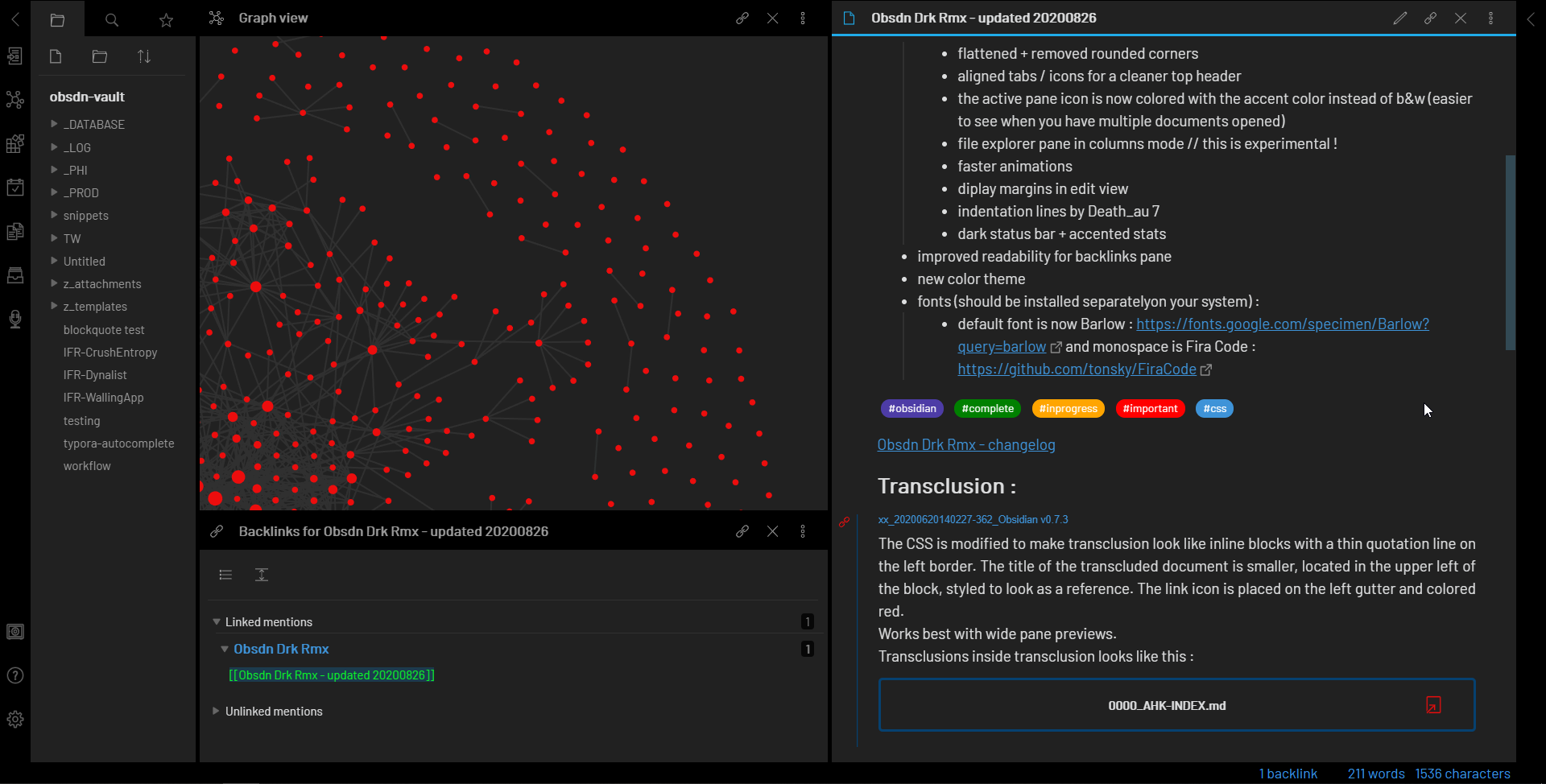
Consider how graph algorithms handle this. In a local-first system, your notes are nodes, and your links are edges. When you update a link, the change must be reconciled across your devices without creating conflicts. Decentralized sync uses vector clocks or CRDTs (Conflict-free Replicated Data Types) to merge these changes automatically. This allows you to work offline on your laptop and seamlessly sync with your desktop later, preserving the complex web of connections you’ve built.
For researchers, this means your knowledge graph grows organically without the friction of manual uploads or the fear of data loss. The infrastructure supports the research, not the other way around. You focus on connecting ideas, while the decentralized layer ensures those connections are preserved and synchronized across your entire workflow.
Graph analysis and relationship mapping
Graph algorithms turn scattered data points into visible networks, revealing hidden correlations that simple price charts miss. By treating assets, projects, and wallets as nodes in a graph, researchers can trace the structural ties binding the crypto ecosystem together.
Two algorithms stand out for their practical utility in this space: Jaccard similarity and Co-citations. The Jaccard index measures the overlap between two sets. In crypto, it compares the token holdings of two wallets or the transaction histories of two projects. A high Jaccard score suggests that two entities move in lockstep, often indicating shared governance, common backers, or coordinated market behavior.
Co-citation analysis looks at what is mentioned together. If two tokens are frequently cited alongside each other in research reports, governance proposals, or technical documentation, the algorithm flags them as structurally related. This helps identify emerging narratives or dependencies before they appear on the order book.
This approach shifts research from reactive to proactive. Instead of chasing price action, you map the underlying relationships that drive it.

Market research signals for OBSDN adoption
The shift toward OBSDN infrastructure is no longer just a technical preference; it is becoming a market necessity for researchers who need unfiltered data. Institutional and retail analysts are increasingly prioritizing "local-first" architectures that remove the latency and censorship risks inherent in centralized APIs. This transition is driven by the need for deterministic data provenance, especially when running complex graph algorithms to trace capital flows across decentralized finance protocols.
Traditional centralized research tools often rely on cached or aggregated data points that can lag behind real-time market movements. In contrast, OBSDN allows researchers to query raw on-chain data directly, ensuring that their models are built on the most current state of the network. This local-first approach reduces dependency on third-party intermediaries, giving researchers full ownership of their data pipelines and enabling more robust backtesting of trading strategies.
| Feature | Centralized Research Tools | OBSDN Local-First Tools |
|---|---|---|
| Data Ownership | Limited (API-dependent) | Full (Local storage) |
| Latency | High (Network hops) | Low (Direct query) |
| Security Risk | Centralized failure point | Distributed resilience |
| Graph Algorithm Support | Limited/Pre-computed | Real-time/Custom |
The adoption curve is visible in the growing demand for tools that support real-time graph traversal. By leveraging OBSDN, researchers can execute complex queries on local nodes, identifying patterns in token swaps or liquidity provision that centralized indexes might miss or delay. This capability is critical for high-stakes decision-making, where seconds matter and data integrity is paramount. As the ecosystem matures, we expect OBSDN to become the standard infrastructure layer for serious Web3 research, replacing legacy centralized databases with more transparent, efficient, and secure alternatives.
Strategic use cases for OBSDN in Web3
OBSDN tools shift Web3 research from passive reading to active mapping. By treating your notes as a local-first graph, you can trace connections that static spreadsheets miss. This approach is particularly effective for due diligence and thematic analysis, where the value lies in the links between projects, protocols, and market events.
Project due diligence
When evaluating a new protocol, standard research often stops at the whitepaper. With OBSDN, you build a knowledge graph that links the protocol’s smart contracts to its team’s previous projects, funding rounds, and technical audits. This creates a visual audit trail. You can spot red flags, such as a founder linked to a previously failed venture, by following the node connections rather than searching through disjointed tabs.
Thematic analysis
Web3 narratives move fast. Tracking trends like "restaking" or "modular blockchains" requires seeing how different projects intersect. OBSDN allows you to tag and cluster these concepts across your entire vault. Instead of scattered notes, you get a unified view of the ecosystem’s topology. This helps identify emerging clusters before they become mainstream headlines.
Helpful gear
Use these product recommendations as a starting point, then choose the size, material, and price point that fit how you actually use the gear.


As an Amazon Associate, we may earn from qualifying purchases.
No comments yet. Be the first to share your thoughts!