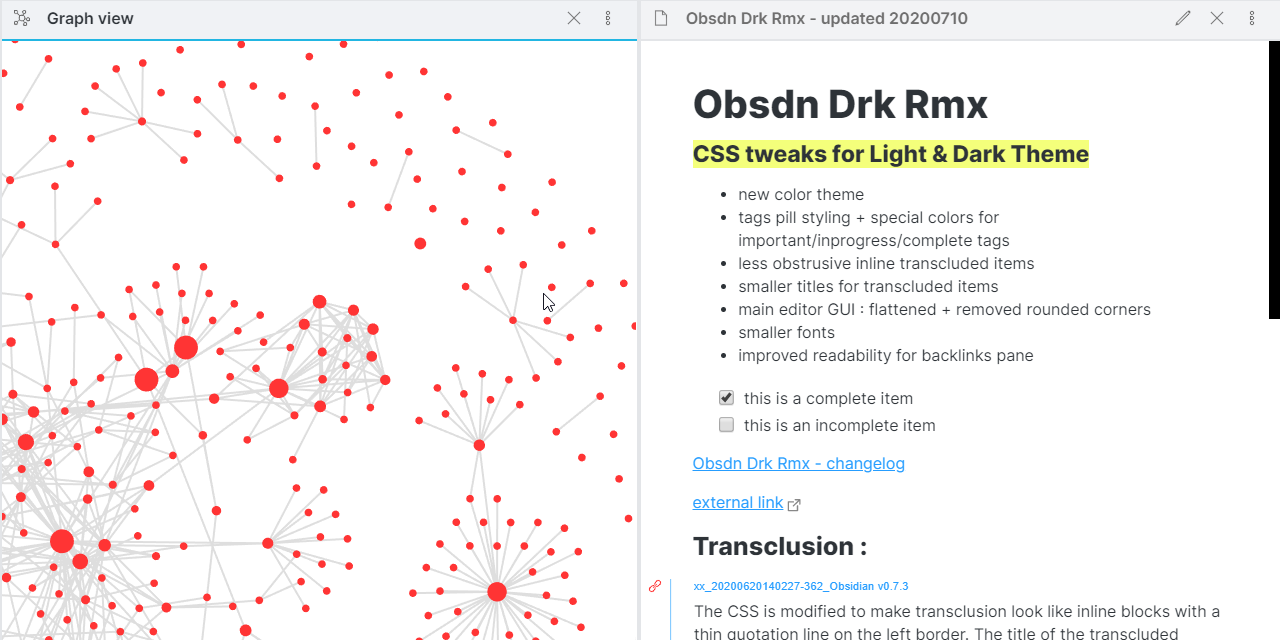
Why OBSDN matters for research
Crypto market research is fundamentally a data management problem. The volume of on-chain transactions, DeFi protocol updates, and exchange listings moves too fast for scattered spreadsheets or unstructured notes. When you are tracking high-stakes positions, the integrity of your research infrastructure determines the quality of your decisions.
Obsidian (OBSDN) provides a local-first environment that keeps your analysis private and under your control. Unlike cloud-based research tools that may change terms or suffer outages, your local vault remains yours. This data sovereignty is critical when dealing with sensitive trading strategies or proprietary market models.
The platform’s flexibility allows you to structure complex relationships between assets, protocols, and market events. By linking notes and using plugins tailored for financial data, you can build a personalized research engine that scales with your needs. This approach transforms raw data into actionable insights without relying on third-party dashboards that often lag or lack depth.
For researchers who prioritize structure and privacy, Obsidian offers a robust foundation. It supports the rigorous documentation required for serious market analysis, ensuring that your historical data and current observations remain accessible and organized. This reliability is what makes it a preferred tool for many in the crypto community.
Set up a clean vault for crypto research
Think of your Obsidian vault as a garage. If you throw every tool, manual, and spare part into a single pile, you won’t find what you need when the market crashes. A clean start prevents the "research paralysis" that happens when you’re drowning in unlinked notes and redundant folders.
Start with a fresh, empty vault. Do not import complex community themes or heavy plugins on day one. You need to understand the core mechanics before you add layers of automation.
1. Create a Home Map of Content (MOC)
Your Home MOC is the dashboard. It doesn’t need to be pretty; it just needs to be the first thing you see when you open Obsidian. Create a note called Home or Vault Dashboard. Inside, link to your primary categories: Market Data, Infrastructure Projects, Regulatory Updates, and Research Notes.
This map acts as the index for your garage. As your research grows, you update this single note to reflect new areas of interest. It keeps your navigation predictable and reduces the cognitive load of finding old data.
2. Enable Daily Notes for Capture
Crypto moves fast. News breaks at odd hours, and price action doesn’t wait for your structured workflow. Enable the Daily Notes core plugin (Settings > Core Plugins > Daily Notes).
Use daily notes as your capture inbox. When you see a new infrastructure update or a market anomaly, jot it down immediately in today’s note. Don’t worry about categorization yet. The goal is speed. You can file and tag these entries later during your weekly review.
3. Build a Minimal Folder Structure
Avoid deep, nested folder structures. Obsidian’s power lies in links, not folders. Start with just three essential folders to keep things scalable:
- Projects: For active research topics (e.g.,
Layer-2 Solutions,DeFi Protocols). - Reference: For static data, definitions, and official documentation links.
- Archive: For completed research or outdated market cycles.
Keep everything else as linked notes. If a note doesn’t fit neatly into these three, it probably belongs in a new project, not a new folder.
4. Install Essential Plugins
Once your base structure is in place, add plugins that support data tracking, not just aesthetics. Stick to the official community vetted list to avoid security risks.
- Templater: For creating consistent note structures (e.g., standard templates for protocol reviews).
- Dataview: To query your notes and generate tables of market data or infrastructure metrics automatically.
- Calendar: To visualize your daily capture frequency and research consistency.
Avoid decorative plugins that add visual flair without functional value. Your vault is a research tool, not a desktop wallpaper.
5. Set Up a Weekly Review
A vault without maintenance becomes a graveyard. Schedule a 30-minute weekly review. During this time, move daily note entries into their proper projects, tag them with relevant keywords (e.g., #layer2, #security-audit), and update your Home MOC.
This habit ensures your data remains searchable and actionable. It turns a collection of random thoughts into a structured knowledge base that can withstand market volatility.
Tracking Layer-2 infrastructure trends
Layer-2 scaling solutions are moving from experimental phases to critical infrastructure. To track these networks effectively, you need to look beyond simple price action and examine on-chain activity, security models, and developer adoption. This section outlines how to structure your notes to capture these nuances, linking technical metrics to broader market sentiment.
Start by comparing the major players side-by-side. This helps you identify which networks are gaining traction and which are stagnating. Use a comparison table to track key metrics like total value locked (TVL), daily active users, and transaction costs. This structured approach makes it easier to spot trends as they emerge.
| Network | Primary Scaling Tech | Avg. Tx Cost | Daily Active Users | Security Model |
|---|---|---|---|---|
| Arbitrum (ARB) | Optimistic Rollup | Low | High | Ethereum Mainnet |
| Optimism (OP) | Optimistic Rollup | Low | High | Ethereum Mainnet |
| zkSync | ZK Rollup | Medium | Growing | Ethereum Mainnet |
| Base | Optimistic Rollup | Very Low | High | Ethereum Mainnet |
Visualizing the price action of these tokens alongside their network activity provides context for market sentiment. A rising token price without corresponding growth in active users or TVL often signals speculative hype rather than genuine infrastructure adoption. Conversely, steady user growth with a stable or rising token price indicates a healthier, more sustainable ecosystem.
When analyzing these networks, focus on the quality of activity. Are users interacting with decentralized exchanges, lending protocols, or NFT marketplaces? High volumes in niche areas can indicate strong community engagement, even if total TVL is modest. This depth of analysis helps you distinguish between fleeting trends and long-term infrastructure growth.
Finally, keep an eye on developer activity. The number of new projects building on a Layer-2 solution is a leading indicator of future network health. Platforms with robust developer tooling and active communities tend to attract more innovation, which drives sustained demand for the underlying token and network services.
Analyzing Web3 market data
Market research isn't just about reading whitepapers; it's about validating those notes against the actual price action. Static charts in PDFs age poorly. To keep your analysis sharp, you need to layer live data directly into your workflow.
Start by anchoring your research with real-time price feeds. A live widget shows you the current state of the asset without requiring you to switch tabs or open a separate exchange app. This constant connection helps you spot immediate sentiment shifts that static reports might miss.
For deeper context, technical charts are essential. You aren't just looking for a number; you're looking for structure. Embedding a provider-backed chart lets you overlay volume and indicators like RSI to confirm whether a trend is gaining strength or fading out.
By integrating these tools, you move from passive observation to active verification. Your research becomes a living document that updates as the market moves, ensuring your conclusions are based on current reality rather than yesterday's snapshot.
Review and refine weekly
A research vault that isn't maintained quickly becomes a digital graveyard. In the fast-moving world of crypto, yesterday's alpha is today's noise. Treat your vault like a garden: it needs regular weeding and pruning to stay productive.
Set aside 30 minutes every week to scan your recent notes. Delete or archive insights that no longer apply. Merge duplicate observations into single, comprehensive notes. This keeps your signal-to-noise ratio high and ensures that when you search for a specific token or trend, you find clear, actionable data.
Linking is just as important as deleting. Connect new findings to existing narratives. If a new regulatory update impacts a protocol you've already studied, link the two. This builds a web of context that makes your research easier to retrieve and understand later.
No comments yet. Be the first to share your thoughts!