Why Obsidian fits crypto infrastructure tracking
Building a reliable crypto research vault requires more than just a place to store links. It demands a system that can handle fragmented regulatory data, complex tokenomics, and rapidly shifting infrastructure landscapes without locking you into a vendor's ecosystem. For legal and regulatory audiences, where data provenance and long-term accessibility are paramount, Obsidian offers a distinct advantage over traditional SaaS note-taking tools.
The core benefit is ownership. Obsidian stores your data locally in plain Markdown files. This means your research notes, regulatory citations, and infrastructure diagrams remain yours, regardless of whether Obsidian Inc. changes its pricing model, shuts down, or alters its feature set. In an industry where platforms come and go, retaining full control over your knowledge base is not just convenient; it is a risk mitigation strategy. As noted in official documentation, this local-first approach ensures your work persists independently of cloud dependencies Obsidian Help.
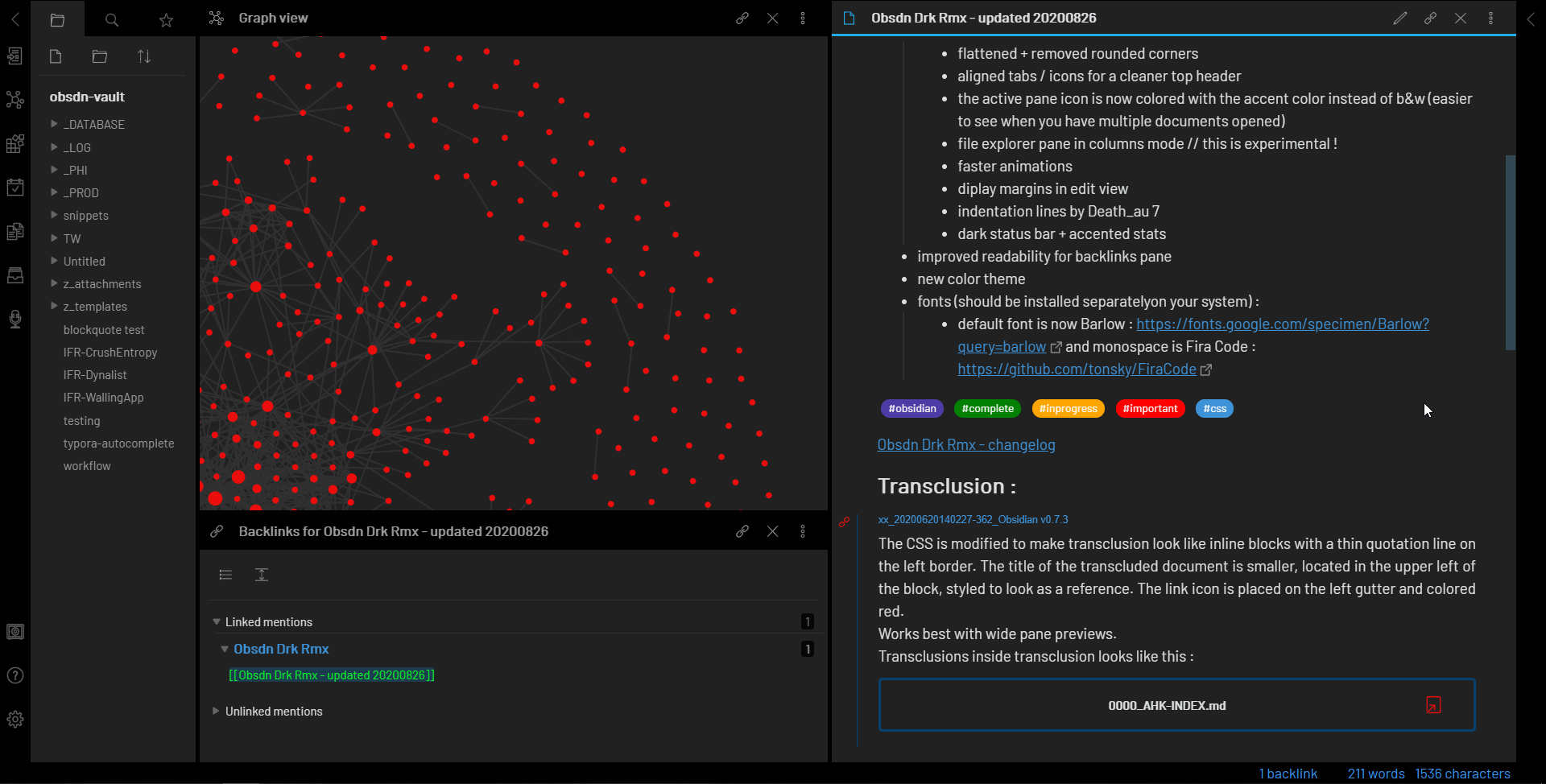
This local storage model pairs exceptionally well with the linked-note methodology. Crypto infrastructure is rarely linear. A stablecoin regulatory filing might link to a specific blockchain protocol, which in turn connects to a broader DeFi yield strategy. Obsidian’s graph view allows you to visualize these connections, turning isolated notes into a navigable web of context. This is particularly useful for tracking the interplay between different jurisdictions and protocols, where understanding the relationship between entities is as important as the entities themselves.
To ground this research in market reality, it helps to keep a pulse on the assets you are analyzing. While Obsidian itself doesn't provide real-time market data, integrating widgets can bridge the gap between static notes and live market conditions.
Structure your vault for 2026 compliance
The 2026 regulatory landscape, defined by MiCA and the rise of Real World Assets (RWA), demands a structure that separates raw data from compliance analysis. Your vault should act as a clear audit trail, not a digital attic.
Start with a flat but logical hierarchy. Create a Sources folder for raw inputs like whitepapers and regulatory texts, and a Notes folder for your analysis. Within Notes, use subfolders for specific asset classes: RWA, L2s, and MiCA_Crypto_Assets. This separation prevents the common mistake of mixing technical tokenomics with legal eligibility criteria.
Tagging is where the vault becomes useful. Use consistent tags like #regulation/mica or #asset/rwa to link notes across folders. This allows you to query all MiCA-related entries instantly, regardless of which asset class they relate to. Avoid deep nesting; three levels of folders is the maximum before navigation becomes tedious.
To keep your research grounded in market reality, track the assets you analyze. Use the following widgets to monitor the volatility of key RWA and L2 tokens. Stability in these assets often correlates with regulatory clarity, making them good candidates for your compliance-focused vault.

Essential plugins for market analysis
Obsidian is a blank canvas by default. To turn it into a working terminal for crypto research, you need specific plugins that handle data, visualization, and automation. Without them, you are just writing notes. With them, you are building a research system that connects market data to your regulatory analysis.
TradingView Chart
This plugin embeds live, provider-backed charts directly into your notes. Instead of copying static screenshots that age poorly, you reference live technical indicators and price action. This is critical for high-stakes legal work where the timestamp and live state of a chart matter. You can anchor these charts to specific tokens or market indices to support your claims with real-time evidence.
Obsidian Live
For real-time price tracking, the Obsidian Live plugin pulls data from public APIs into your markdown files. It updates prices, market cap, and volume metrics automatically. This keeps your research current without requiring you to refresh a browser tab. It transforms static notes into dynamic dashboards that reflect the current market state, ensuring your analysis is never based on stale data.
Dataview
Dataview allows you to query your vault using code. You can create tables that automatically list all notes tagged with specific regulatory frameworks or market sectors. This is the engine that powers your vault’s organization. Instead of manually updating spreadsheets, Dataview generates live tables from your markdown metadata, giving you a structured view of your research corpus.
Comparison of core plugins
| Plugin | Primary Use Case | Data Source |
|---|---|---|
| TradingView Chart | Technical analysis visualization | Provider-backed API |
| Obsidian Live | Real-time price and metric tracking | Public crypto APIs |
| Dataview | Querying and structuring vault metadata | Local vault files |
These tools work together to create a cohesive environment. You embed live charts for visual context, use Dataview for structural organization, and rely on Obsidian Live for current data points. This combination ensures your OBSDN guide remains a living document that reflects the fast-moving nature of crypto markets.
Embedding live market data into notes
Static notes lose context quickly when crypto prices move. Embedding live charts and prices keeps your research current without constant manual updates. This approach ensures your historical analysis remains tied to real-time market conditions.
Insert a TradingView chart to visualize price action directly in your note. Use the TechnicalChart component with a primary pair like Bitcoin against USDT. This provides a provider-backed chart that updates dynamically, giving you immediate visual context for your regulatory or market analysis.
For a quick snapshot, place a PriceWidget inline with your text. This displays the current price of major assets, ensuring your notes always reflect the latest market data. You can also embed an image of your OBSDN setup to document your physical workspace alongside your digital vault.

If you need specific tools to manage your OBSDN research, consider these essentials:


As an Amazon Associate, we may earn from qualifying purchases.
Common pitfalls in crypto note-taking
Building a crypto research vault in Obsidian often triggers a temptation to over-engineer. When the stakes involve regulatory compliance and high-volatility assets, your system should serve your analysis, not distract from it. The goal is to capture data and insights efficiently, not to create a perfect database architecture that takes weeks to maintain.
Overcomplicating the structure
A frequent mistake is spending more time configuring plugins and folders than actually researching the asset. You might start by trying to map every token relationship or build complex dashboards before you have even written a single research note. This approach stalls your output. Start with a simple folder for sources and a daily note file. Add structure only when you consistently hit the same organizational wall.
Ignoring the market context
Crypto research does not exist in a vacuum. Your notes must connect to real-time market data. Without visual context, it is easy to lose perspective on price action and volume. Use the following widgets to anchor your notes in current market reality.
Failing to link back to sources
In a legal or regulatory context, the chain of evidence is paramount. Many users take notes and then forget where the original claim came from. Always link back to the primary source, whether it is a SEC filing, a blockchain explorer transaction, or a whitepaper. If you cannot point to the exact line in the original document, your note has limited value. Keep your Obsidian vault focused on clarity and traceability, not on aesthetic complexity.
No comments yet. Be the first to share your thoughts!