Why the OBSDN guide matters for 2026
The crypto landscape in 2026 is defined by fragmentation. Layer 2 networks are proliferating, infrastructure is shifting toward modular stacks, and market volatility remains a constant companion. In this environment, relying on scattered bookmarks or transient social media threads is a liability. You need a structured, local-first vault to track the velocity of Web3 data without losing context.
The OBSDN guide offers a pragmatic approach to this challenge. It emphasizes linked notes over rigid folder structures, allowing researchers to connect disparate pieces of information—protocol upgrades, regulatory shifts, and on-chain metrics—as they emerge. This method mirrors how actual research works: non-linear, associative, and deeply interconnected. By adopting this local-first philosophy, you retain ownership of your data and avoid the friction of constantly switching between incompatible platforms.
The OBSDN guide emphasizes local-first, linked notes over folder-heavy structures to handle the velocity of Web3 data.
This isn't just about organization; it's about resilience. When the market moves quickly, having a reliable, self-contained system for capturing and synthesizing information allows you to make decisions based on verified context rather than noise. The OBSDN guide provides the framework to build this resilience, ensuring your research remains accurate and accessible regardless of external platform changes or outages.
Start with a clean vault and daily notes
The most common mistake in an OBSDN guide is building a digital library before you have a system to feed it. A cluttered vault creates friction, making it easier to ignore the tool than to use it. To set up your OBSDN workflow correctly, you need to strip away the noise and focus on two foundational elements: a blank slate and a reliable capture mechanism.
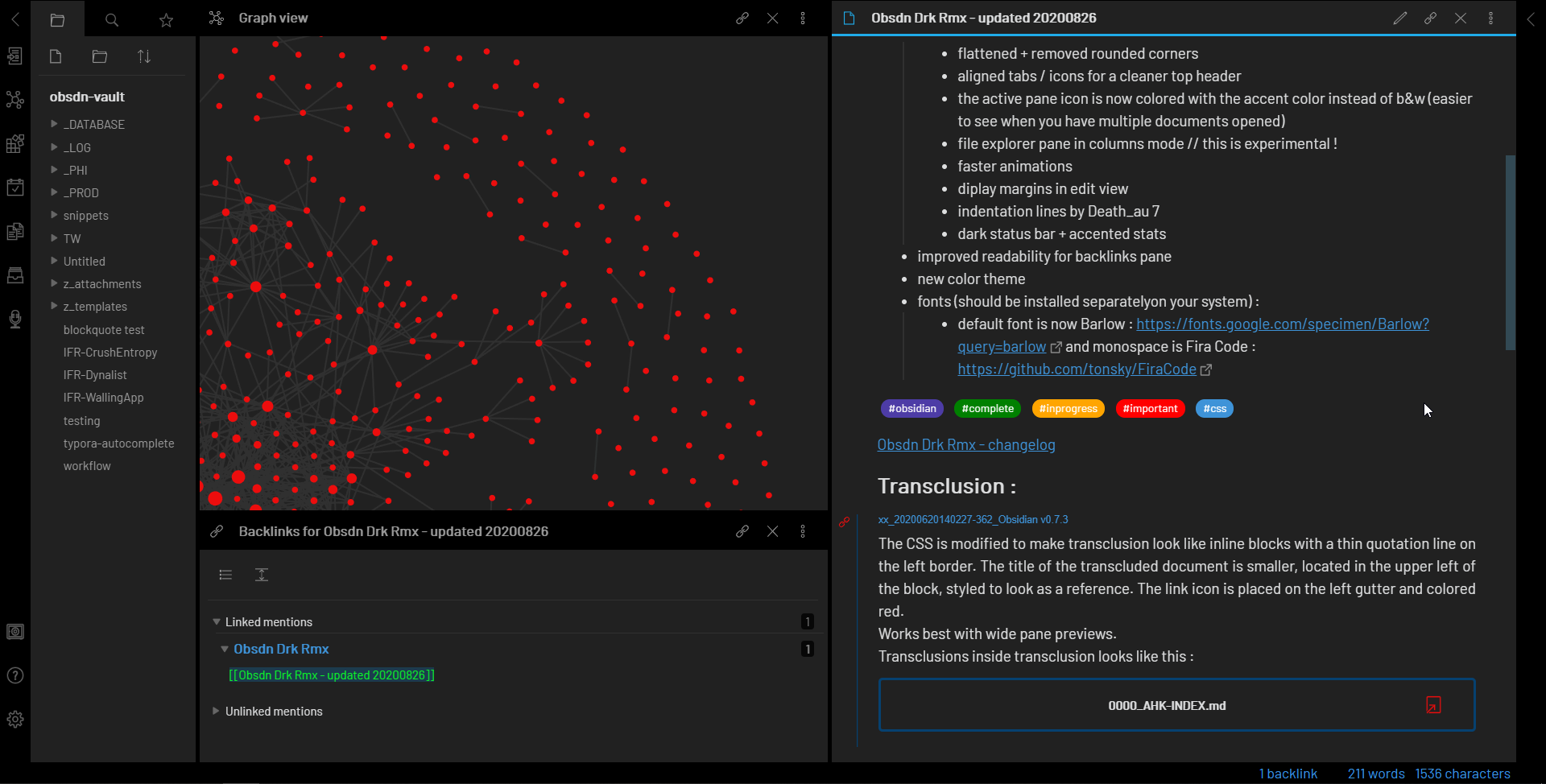
When you create a new vault, Obsidian automatically generates a "Welcome" note and a "Welcome" folder. These are decorative placeholders that serve no purpose in a serious research setup. Delete them immediately. A clean vault reduces cognitive load, ensuring that every file you create has a deliberate reason for existing. If you are migrating from another app, import only your active, relevant notes; archive the rest in a separate backup folder outside the vault.
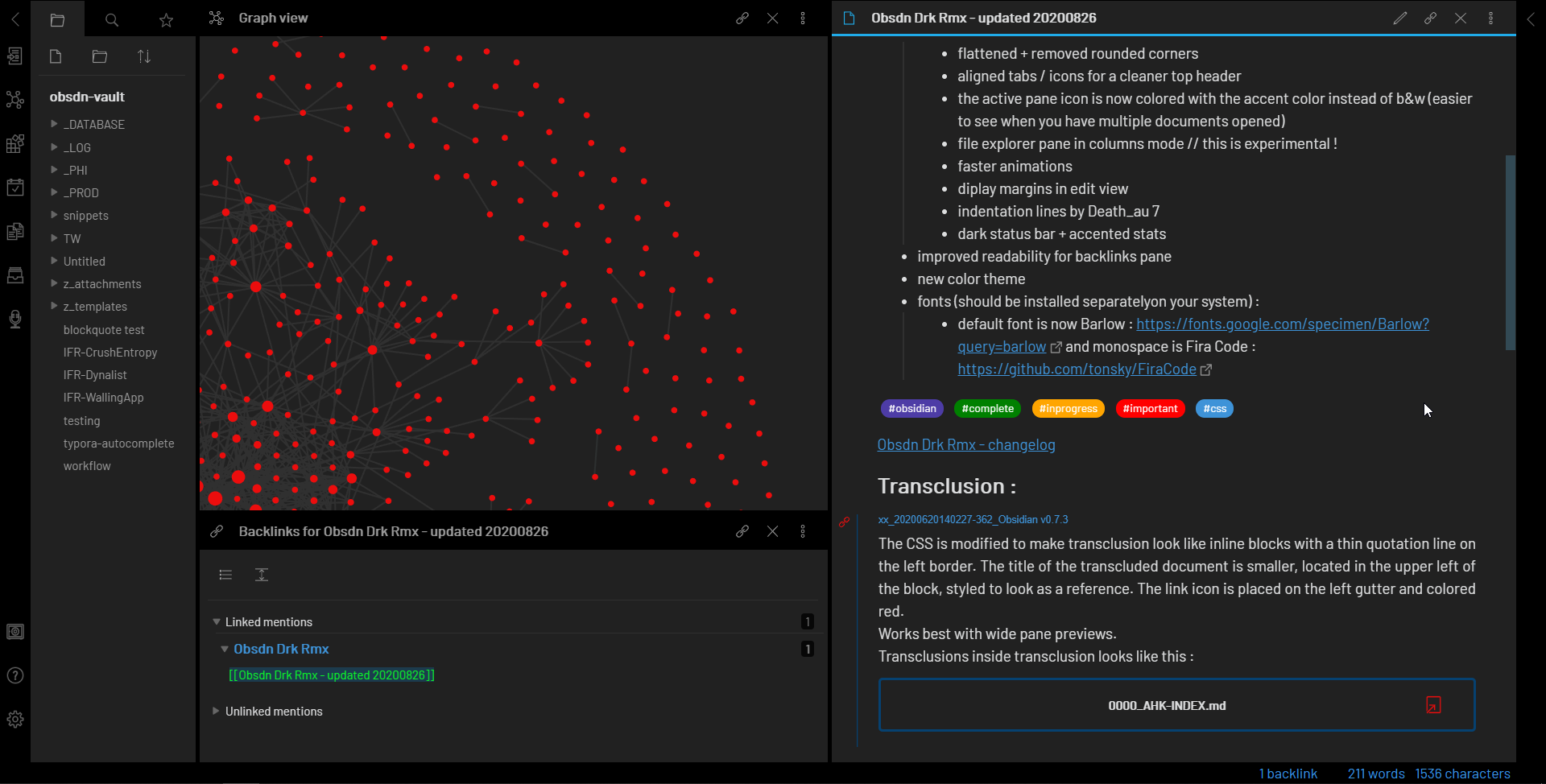
Daily Notes are the engine of your OBSDN guide. They act as a temporal inbox where you dump ideas, quotes, and raw data without worrying about perfect categorization. Enable this feature in your settings to generate a new note automatically each day. This habit ensures that research capture never stalls because you couldn't decide where to file it. The structure emerges later during your weekly review, not during the initial capture phase.
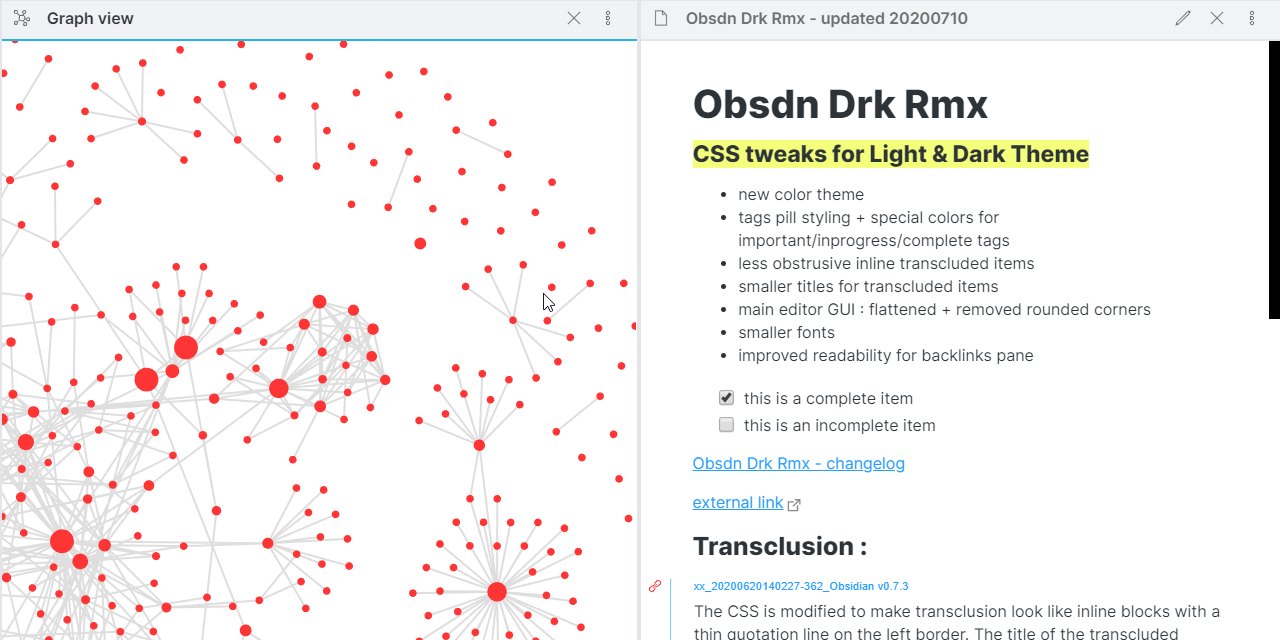
A Map of Content (MOC) serves as the dashboard for your vault. Start with a single "Home" MOC that links to your primary research areas, such as market analysis, technical charts, or asset tracking. This note is the first place you look when you open Obsidian. It provides immediate context and prevents you from getting lost in a sea of unlinked notes. As your vault grows, this MOC becomes the central hub that connects your daily captures to your permanent knowledge base.
By following these steps, you establish a low-friction environment for research. The goal is not perfection but momentum. Once the daily notes are running and the home MOC is in place, your OBSDN guide becomes a living system that grows organically with your work.
Start with a blank slate, enable Daily Notes for frictionless capture, and create a Home MOC to anchor your navigation. This setup prioritizes workflow over structure.
Link notes instead of relying on folders
The biggest mistake new OBSDN users make is trying to build a perfect filing cabinet. You will spend hours creating sub-folders for "L1s," "L2s," and "DeFi Protocols," only to find the structure brittle when a new narrative emerges. Obsidian’s power doesn’t come from organization; it comes from connection. By linking notes instead of relying on folders, you let the vault grow organically, mirroring how crypto markets actually behave.
Think of your vault as a neural network rather than a library. In a library, a book about Ethereum has one fixed location. In an OBSDN guide for crypto research, that same note should link to Uniswap, Gas Fee trackers, and Vitalik’s latest posts simultaneously. When you link notes, you create a web of context. If you are researching a new Layer 2, you can click through to see its relationship with base chain fees, bridge security, and competitor protocols without navigating through a rigid directory tree.
This graph-based thinking is essential for high-stakes crypto analysis. Markets move fast, and rigid folders become outdated quickly. Links remain relevant because they connect ideas, not just files. Start with a clean vault and link notes as you discover relationships. Use the graph view to see how your research clusters. You will quickly notice gaps in your knowledge or unexpected correlations between seemingly unrelated assets.
The result is a living knowledge base that evolves with the market. Instead of searching through nested folders, you search for tags or follow links. This approach reduces cognitive load and keeps your focus on the data. As your vault grows, the connections become the structure. You no longer need to decide where to file a note; you just need to decide what it is connected to. This is the core philosophy of using Obsidian for crypto research: build links, not boxes.
Build a home map of content
The most common mistake in Obsidian is treating folders like a filing cabinet. That approach fails for crypto research because trends shift, projects pivot, and narratives overlap. Instead, you need a Home Map of Content (MOC). Think of it as the central dashboard for your vault, similar to a homepage that links to every major topic you are tracking. It doesn’t store the data; it connects to the notes where the data lives.
Start by creating a single note called "Home" or "Dashboard." This note should contain only links to your core MOCs, such as "Layer 1s," "DeFi Protocols," "Regulatory Updates," and "Infrastructure." When you write a new note about a specific L2 solution, link it from the "Layer 1s" MOC and the "Infrastructure" MOC. This creates a web of context that folders cannot replicate. As the OBSDN 2026 guide notes, this method allows your vault to grow organically while keeping your primary navigation intuitive.
Folder-based vs. MOC-based organization
| Feature | Folder-based Organization | MOC-based Organization |
|---|---|---|
| Structure | Hierarchical (Tree) | Network (Graph) |
| Flexibility | Low (One location per note) | High (Many links per note) |
| Discovery | Linear (Click to open) | Associative (Click to explore) |
| Best For | Static archives | Dynamic crypto research |
This shift from linear filing to networked thinking is essential for high-stakes market analysis. You might find that a new token launch fits into "DeFi," "NFTs," and "Layer 2 Scaling" simultaneously. A folder forces you to pick one; a Home MOC lets you see all three connections at once. Enable Daily Notes for quick capture, but always route that information into your MOCs during your weekly review. This ensures your dashboard remains current and actionable.
Review and refine your workflow weekly
A static OBSDN guide rots quickly. Crypto markets shift overnight, new protocols launch, and regulatory updates change the landscape. If your vault stays frozen in 2024, it becomes noise rather than signal. The maintenance phase is where you turn a collection of notes into a living research instrument.
Set aside thirty minutes every Sunday to audit your links and tags. Check for broken references in your home map. Prune notes that no longer reflect current market conditions. This isn't about perfection; it's about relevance. A clean OBSDN guide is easier to navigate when you're under pressure.
Track market sentiment alongside your data. Use live widgets to keep your eyes on the broader environment. When BTC or ETH moves significantly, add a brief note to your daily log. This context helps you understand why a narrative is forming, not just what is happening.
The goal is to prevent knowledge decay. By reviewing weekly, you ensure your OBSDN guide remains a source of clarity, not clutter. This habit transforms passive reading into active research, keeping you ahead of the curve without burning out.
No comments yet. Be the first to share your thoughts!