Defining the OBSDN infrastructure layer
The term OBSDN refers to a specific decentralized data verification layer designed to anchor Web3 market stability. Unlike general blockchain nodes that simply record transactions, this infrastructure layer focuses on the integrity of the underlying data itself. In high-stakes financial environments, the reliability of data feeds is not just a convenience; it is the foundation of trust. When market participants can verify that information has not been tampered with at the source, the volatility caused by misinformation or manipulation decreases significantly.
This system operates by creating an immutable record of data provenance. Think of it as a digital notary for the internet's economy. Every piece of critical information—from price feeds to asset ownership records—passes through this verification gate. If the data does not meet the cryptographic standards set by the OBSDN protocol, it is flagged or rejected before it can influence market decisions. This filtering process reduces noise and ensures that trading algorithms and human analysts are acting on verified facts rather than speculative rumors.
The implications for market research are profound. Traditional analysis often relies on aggregating data from multiple sources, which can introduce latency and inconsistency. By shifting to an OBSDN-based model, researchers gain access to a single source of truth that is continuously validated. This allows for faster, more accurate risk assessments. As the Web3 ecosystem matures, the distinction between "data" and "verified data" will become the primary metric for evaluating the health of any financial protocol.
Tracking infrastructure shifts in real time
Static reports are lagging indicators in a market that moves at the speed of code. To anticipate volatility, you must monitor the OBSDN network topology as it breathes. The health of the infrastructure is not just about uptime; it is about node distribution and the density of connections between them.
When node activity spikes or clusters shift, it often precedes price action. Treating these metrics like a dashboard allows you to spot structural weaknesses or sudden surges in demand before they appear in trading volumes. This is not about guessing; it is about reading the wiring of the network itself.
The chart below visualizes these real-time shifts. Watch for divergence between node count and token price. If the network is expanding but the price is stagnating, it may signal accumulation. If nodes are dropping while price rises, it could indicate centralization risks or a liquidity crunch.
Market research strategies for stability
Traditional market research in Web3 often relies on fragmented data sources, social sentiment scraping, and unverified project claims. This approach is prone to manipulation and noise, making it difficult to distinguish genuine infrastructure growth from marketing hype. OBSDN shifts this dynamic by anchoring verification to on-chain data and decentralized identity proofs. Instead of trusting isolated announcements, you validate activity against a persistent, cryptographically verifiable ledger.
The core strategy involves cross-referencing project narratives with actual node participation and data availability metrics. When a protocol claims high adoption, OBSDN allows you to trace that claim to specific validator sets and data propagation times. This reduces reliance on potentially inflated reporting and provides a clearer picture of network health. You are no longer analyzing buzz; you are auditing infrastructure.
To implement this, focus on comparing traditional metrics like GitHub commits or social mentions against OBSDN-backed indicators such as consistent node uptime and data redundancy levels. The table below illustrates how these methods differ in reliability and speed.
| Criterion | Traditional Research | OBSDN-Backed Verification |
|---|---|---|
| Data Source | Social sentiment, press releases | On-chain logs, node attestations |
| Verification Speed | Hours to days (manual audit) | Near real-time (automated queries) |
| Manipulation Risk | High (bots, paid shilling) | Low (cryptographic proof required) |
| Cost | Low (free tools) | Moderate (gas fees, API access) |
This method requires a shift in mindset. You stop asking "Is this project popular?" and start asking "Is this infrastructure stable?". By prioritizing data availability and node consistency, you build a research foundation that is resilient to market manipulation.

Assessing risk in high-stakes Web3 moves
Evaluating risk in the Obsidian (OBSDN) ecosystem requires looking past marketing hype and focusing on hard infrastructure metrics. When capital is at stake, the primary concern is not just price volatility, but the structural integrity of the network itself. Centralization points and single points of failure can turn a stable protocol into a liability overnight.
To navigate this, you must audit the technical foundation before committing resources. This framework breaks down the critical areas where infrastructure failures typically occur, allowing you to stress-test the system against real-world scenarios.
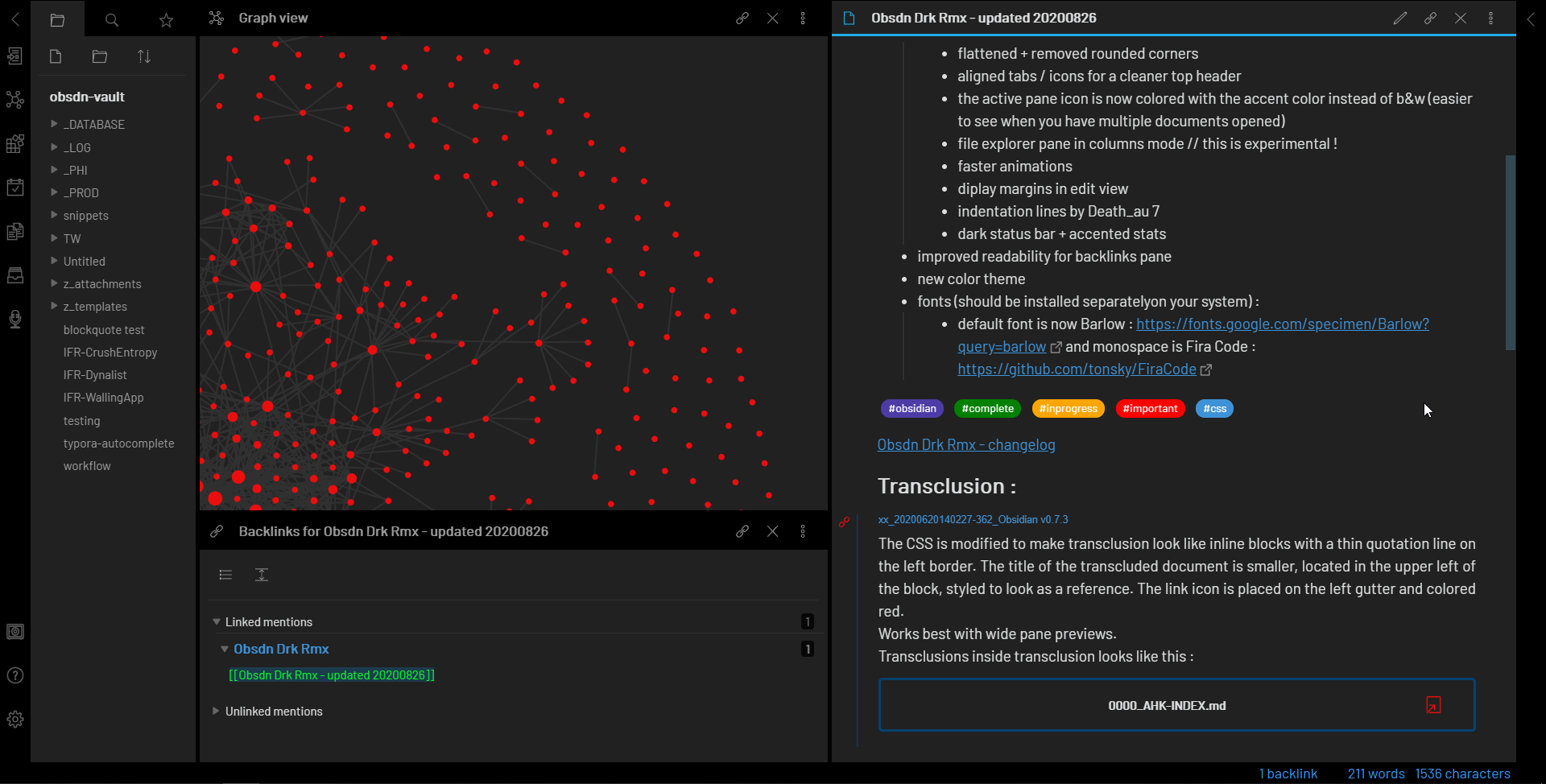
Start by auditing the distribution of validator nodes or governance tokens. A healthy Web3 infrastructure spreads control across diverse geographic and institutional entities. If a small cluster of wallets controls a disproportionate share of the network, the risk of coordinated attacks or censorship is unacceptably high. Check on-chain explorers for concentration ratios.
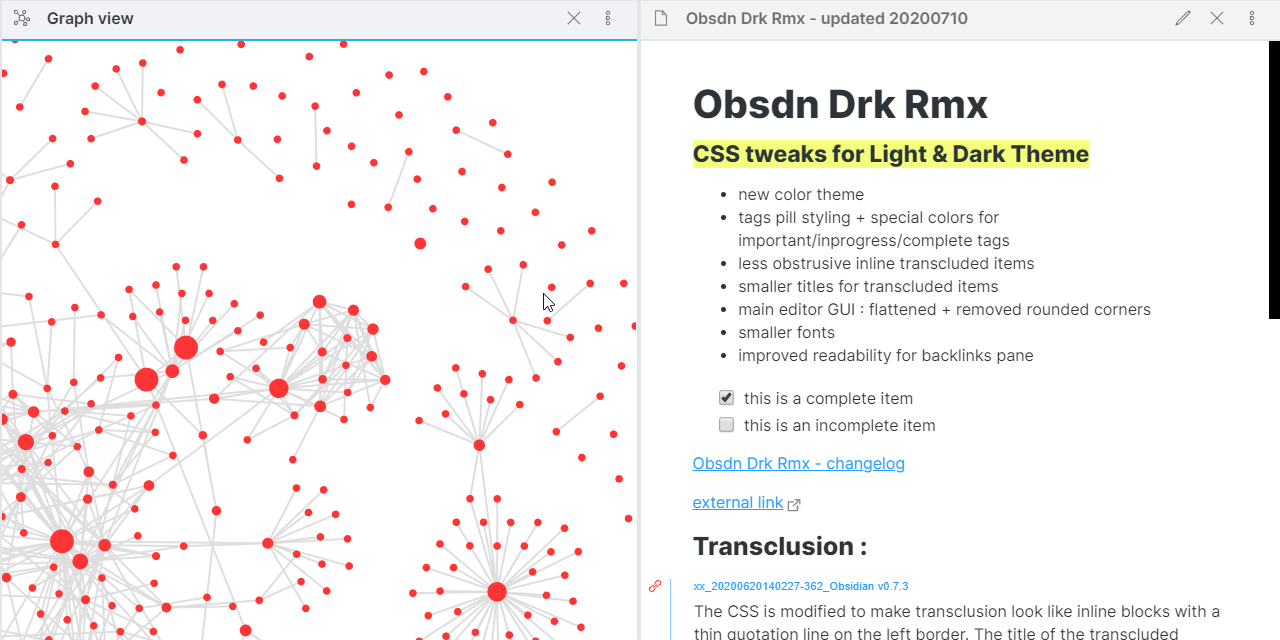
Map every external dependency in the protocol’s codebase. Many failures stem from third-party oracles or bridge contracts that act as weak links. Review the official Obsidian documentation and GitHub repositories to identify these dependencies. If the protocol relies on a single centralized oracle for price feeds, it inherits that oracle’s risk profile entirely.

High-stakes moves require deep liquidity to prevent slippage from becoming a catastrophic loss event. Analyze the depth of order books and liquidity pools across major exchanges. Shallow liquidity means that even small trades can move the market against you, signaling a fragile infrastructure. Look for consistent volume rather than artificial spikes.
Active, transparent governance is a leading indicator of network health. Check for regular proposal submissions and voter participation rates. A dormant governance structure often precedes technical stagnation or emergency interventions that favor insiders. Use the official Obsidian forum or governance dashboards to track these metrics over time.
By applying this structured analysis, you move from speculation to evidence-based decision-making. This approach minimizes exposure to structural failures and aligns your strategy with the actual technical reality of the OBSDN ecosystem.
Common questions about OBSDN analysis
Understanding the mechanics of OBSDN (Open Blockchain State Data Network) is essential for accurate market research. Unlike generic note-taking tools, OBSDN requires specific infrastructure to process real-time ledger states. Below, we address the most frequent concerns regarding data latency, integration, and resource management.
No comments yet. Be the first to share your thoughts!